Defensive transition – a smart tactical guide for football fans
Meta description: Discover how a defensive transition secures football victories. Explore core concepts, modern execution methods, famous teams, and elite coaches in 2026 today.
Football tactics are heavily defined by the brief moments when possession changes hands. While attacking is glorious, what happens immediately after losing the ball dictates the outcome. The ability to recover quickly is absolutely vital for any successful professional squad.
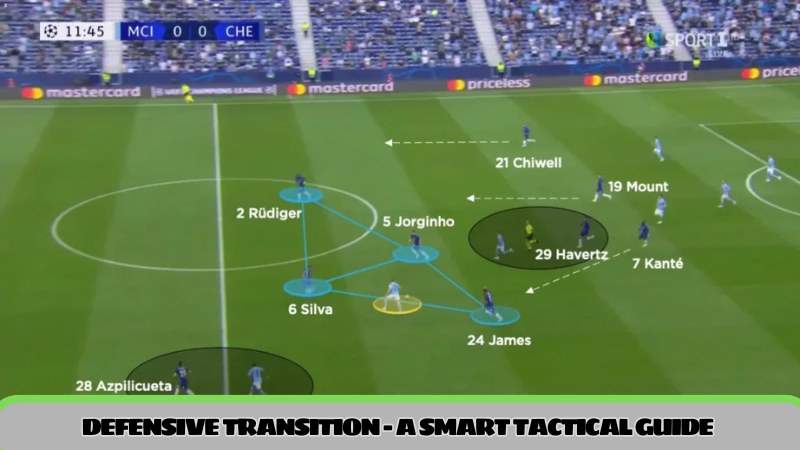
Discover more on Tigoals website, a well-drilled defensive transition is the ultimate shield against lethal counter-attacks. Instead of panicking, players instantly execute pre-planned recovery runs to restore their defensive structure. This highly synchronized reaction completely stifles the opposition’s forward momentum immediately.
As we navigate the competitive 2026 season, minimizing vulnerabilities during turnovers is crucial. Elite teams heavily prioritize this specific phase of the game to ensure consistent stability. We will now explore how mastering this crucial tactical mechanism secures championships.
The core concept of a defensive transition
Let us carefully explore the fundamental concepts making this setup function well.
Delaying the opposition
The primary objective during a defensive transition is simply to delay the advancing opponent. When the ball is lost, the nearest player immediately engages the ball carrier. This sudden pressure prevents the opponent from playing a rapid forward pass securely.
By stalling the initial attack, the rest of the team gains precious seconds to retreat. They sprint back into their designated defensive positions, effectively rebuilding the structured wall. This calculated delay minimizes the dangerous threat of an isolated counter-attack entirely.
Restoring structural balance
Another vital component is restoring positional balance on the pitch. During offensive phases, teams expand horizontally and vertically to stretch the play. Once possession is lost, they must rapidly contract to eliminate massive open spaces.
Every player must recognize their specific recovery lane. Midfielders drop deep to shield the center-backs, while fullbacks tuck inside to narrow the defensive line. This immediate structural reorganization guarantees that the opponent faces a fully established, highly resilient defensive block.
Who is the top scorer in the La Liga 2026? Read here
How to execute the strategy efficiently
Discover the exact tactical methods required to execute this setup perfectly now.
Communication and awareness
Executing a flawless defensive transition requires elite situational awareness. Players must constantly scan the field, anticipating potential turnovers before they even occur. This proactive mindset ensures they are never caught flat-footed when the ball is suddenly intercepted by the rival.
Vocal communication is incredibly paramount during these chaotic seconds. The goalkeeper and central defenders must loudly direct the retreating midfielders. They point out unmarked attackers and dictate the exact defensive shape required to neutralize the immediate, threatening offensive surge.
Tactical fouling and positioning
Sometimes, a defensive transition cannot be executed smoothly due to sheer numerical disadvantage. In these desperate scenarios, teams frequently utilize highly calculated tactical fouls. A minor trip near the midfield line permanently halts the attack, allowing the defense to regroup safely.
While controversial, this pragmatic approach is highly valued in modern professional football. Furthermore, maintaining a disciplined rest defense while attacking is absolutely essential. Keeping defensive midfielders positioned deeper ensures the team is always structurally prepared for an unexpected, sudden turnover.
Famous football teams using the setup
Examine the legendary football squads achieving massive success with this setup.
Historic structured champions
Historically, legendary international squads like the 2010 Spanish national team perfectly showcased this recovery strategy. While famous for their passing, their defensive transition was equally magnificent. They suffocated opponents instantly upon losing possession, denying any rapid counter-attacking opportunities effortlessly.
Their relentless execution overwhelmed rivals completely. It proved that organized, calculated recovery runs could easily protect an expansive, possession-heavy tactical system. Their profound defensive innovations permanently altered how modern football clubs approach structural reorganization immediately after suffering a midfield turnover.
Modern domestic league conquerors
In the contemporary 2026 football landscape, elite clubs like Manchester City utilize highly refined versions of this tactic. They maintain strict positional discipline even when dominating possession entirely. Their rest defense is meticulously structured to handle rapid breakaways efficiently every match.
This modern application drastically increases their overall defensive security. By completely nullifying the opponent’s transition opportunities, they immediately demoralize the opposing squad. They have perfected this recovery phase, securing vital European victories by frustrating elite attacking talent consistently across all competitions.
Elite coaches mastering the tactic
Explore the brilliant tactical minds who successfully deploy this specific plan.
Visionary defensive organizers
Pep Guardiola is universally recognized as a primary architect behind optimizing the defensive transition today. He fundamentally understands that expansive attacking football is impossible without a secure recovery plan. He carefully scripts defensive recovery paths to protect his vulnerable center-backs.
His profound theories heavily influenced an entire generation of elite coaches. They learned to instruct specific recovery triggers for high-stakes matches, treating the football pitch like a chessboard. Their analytical approach completely revolutionized modern tactical defensive preparations forever.
Contemporary pragmatic leaders
Today, highly respected managers like Mikel Arteta actively evolve this defensive art form. They utilize advanced sports analytics to identify the precise technical weaknesses in their own defensive transition setups. They then specifically design unique training drills to fix those vulnerabilities.
These modern leaders understand that defensive stability requires proactive, intelligent measures. By meticulously coaching their squads to perfect these recovery phases, they build championship-winning teams. This highly calculated approach transforms ordinary defensive units into relentless, highly successful tactical fortresses today.
Conclusion
The global tactical landscape of professional football will perpetually shift, but the absolute necessity for proactive defensive resilience remains undeniable today. While expansive attacking systems often capture the media spotlight, recovering securely provides an efficient solution for winning crucial matches. A well-drilled defensive transition completely eliminates the chaotic panic often associated with losing the ball.
Modern teams competing in the current 2026 season must possess this resilient tactical weapon to survive against elite opponents. It demands exceptional mental concentration, incredible athletic agility, and perfect structural coordination from the entire squad. Ultimately, mastering the defensive transition transforms ordinary professional clubs into relentless fortresses, securing vital championship victories globally forever.